Navigation Menu
Contact Us
- Email:
- info@wxavatar.com
- Address:
- Yurong Village, Yuqi Street, Huishan District, Wuxi, China.

Release Date:May 28, 2025 Visit:130 Source:Roll Forming Machine Factory
Introduction to Hydraulic Uncoilers in Metal Processing
In modern sheet metal handling operations, efficiency and precision are critical factors for maintaining productivity. Among the various equipment used in these processes, the hydraulic uncoiler has become an essential component for many manufacturing facilities. This specialized machine plays a significant role in preparing coiled metal for subsequent processing stages.
Core Functionality of Hydraulic Uncoilers
A hydraulic uncoiler serves as the initial stage in many metal fabrication lines, designed to safely and effectively unwind coiled metal sheets or strips. The hydraulic system provides controlled power for handling heavy coils that might weigh several tons. Unlike mechanical uncoilers, the hydraulic version offers smoother operation and more precise control over the unwinding process.
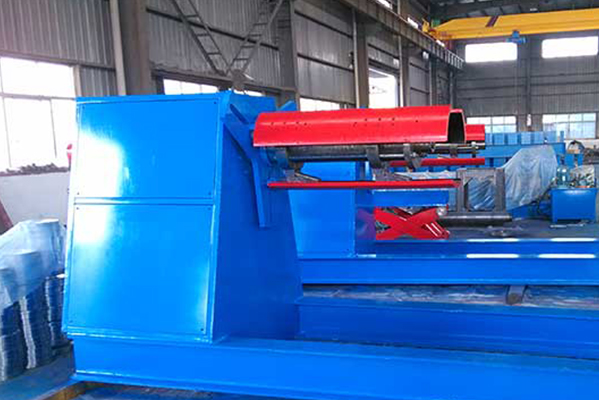
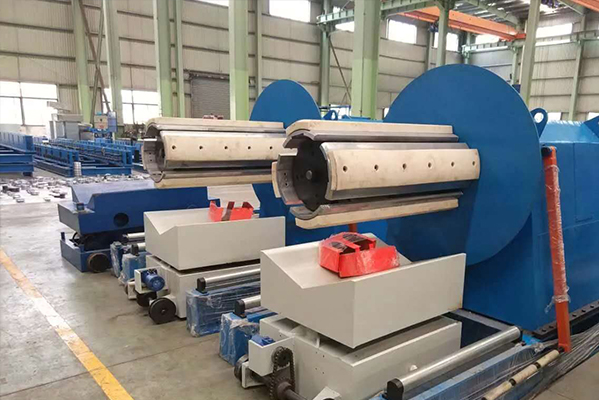
The machine typically consists of a sturdy frame, expandable mandrel for coil mounting, hydraulic power unit, and control system. When operational, the hydraulic uncoiler gradually releases the coiled material at a controlled speed that matches the requirements of downstream equipment such as levelers, feeders, or punch presses.
Key Advantages in Sheet Metal Handling
Hydraulic uncoilers provide several operational benefits that enhance sheet metal handling processes. The controlled hydraulic system allows for gradual acceleration and deceleration, reducing stress on both the material and equipment. This smooth operation minimizes the risk of material deformation or surface damage that could occur with abrupt starting or stopping.
The adjustable tension control feature helps maintain proper material tension throughout the unwinding process, which is particularly important when processing thin gauge materials prone to wrinkling or stretching. Operators can fine-tune the tension settings based on material type, thickness, and width to ensure optimal processing conditions.
Improved Safety Features
Modern hydraulic uncoilers incorporate multiple safety mechanisms that protect both operators and materials. The hydraulic system's inherent damping characteristics help prevent sudden releases of stored energy in coiled materials. Many models include emergency stop functions, overload protection, and safety guards that meet industry standards for equipment operation.
The controlled unwinding action reduces the risk of coil breaks or material whipping, which can be hazardous in high-speed operations. Additionally, the hydraulic system provides consistent performance regardless of coil diameter changes as the material unwinds, maintaining stable operation throughout the entire coil.
Versatility Across Material Types
Hydraulic uncoilers demonstrate notable flexibility in handling various metal types and coil sizes. They can accommodate different coil weights and widths by adjusting the mandrel size or using appropriate adapters. This versatility makes them suitable for processing everything from thin aluminum sheets to thicker steel coils.
The adjustable speed and tension controls allow operators to optimize settings for different material characteristics. Whether processing soft non-ferrous metals or high-strength steel alloys, the hydraulic system can be calibrated to provide appropriate handling parameters for each material type.
Integration with Automated Systems
Contemporary hydraulic uncoilers often feature compatibility with automated production lines. They can interface with programmable logic controllers (PLCs) and other automation equipment to create seamless material handling systems. This integration capability allows for synchronized operation with downstream equipment, improving overall line efficiency.
Many models include sensors and monitoring systems that provide real-time feedback on coil diameter, tension levels, and operational status. This data can be used to optimize processing parameters or trigger automatic adjustments as needed throughout the production run.
Maintenance and Operational Considerations
Proper maintenance of hydraulic uncoilers contributes significantly to their performance and longevity. Regular inspection of hydraulic fluid levels, hose conditions, and system pressure helps prevent unexpected downtime. The robust construction of quality hydraulic uncoilers typically results in reliable operation with relatively low maintenance requirements when properly cared for.
Operator training plays an important role in maximizing the benefits of hydraulic uncoilers. Understanding proper loading techniques, tension adjustment procedures, and safety protocols ensures efficient operation while minimizing material waste or equipment strain.
Conclusion
Hydraulic uncoilers serve as valuable assets in sheet metal handling operations by providing controlled, efficient unwinding of coiled materials. Their combination of power, precision, and safety features makes them suitable for various industrial applications. As manufacturing demands continue to emphasize efficiency and quality, hydraulic uncoilers remain relevant components in modern metal processing lines, contributing to smoother operations and consistent material handling performance.