Navigation Menu
Contact Us
- Email:
- info@wxavatar.com
- Address:
- Yurong Village, Yuqi Street, Huishan District, Wuxi, China.

Release Date:May 10, 2025 Visit:145 Source:Roll Forming Machine Factory
Steel framing has long been a reliable method in construction, offering strength and durability for various building projects. Over time, advancements in steel framing equipment have made the process even more precise, ensuring that structures are built with greater accuracy and efficiency. These improvements benefit not just large-scale builders but also smaller contractors and DIY enthusiasts looking for reliable results.
Better Cutting and Shaping Tools
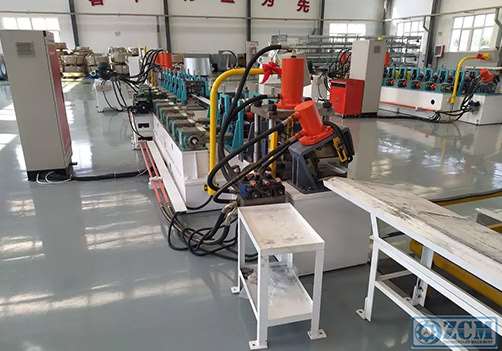
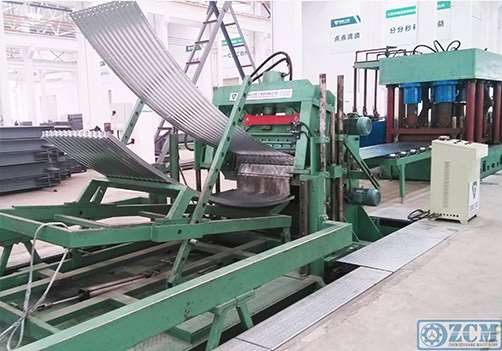
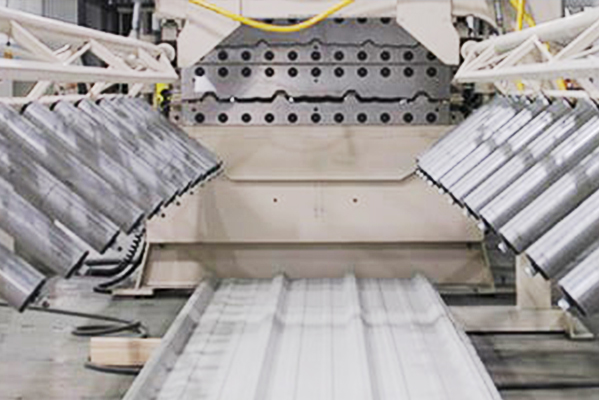
One of the key areas where technology has made a difference is in cutting and shaping steel. Modern equipment, such as computer-controlled plasma cutters and automated roll-forming machines, allows for extremely accurate cuts and bends. This means that steel components fit together more seamlessly, reducing errors during assembly. Even small imperfections in framing can lead to structural weaknesses, so precision at this stage is crucial.
Improved Measurement and Alignment Systems
Another significant advancement is in measurement and alignment tools. Laser-guided systems and digital leveling devices help workers position steel frames with much higher accuracy than traditional methods. This reduces the need for manual adjustments later in the construction process, saving time and minimizing material waste. When beams and columns are perfectly aligned, the overall stability of the structure improves.
Faster and More Consistent Assembly
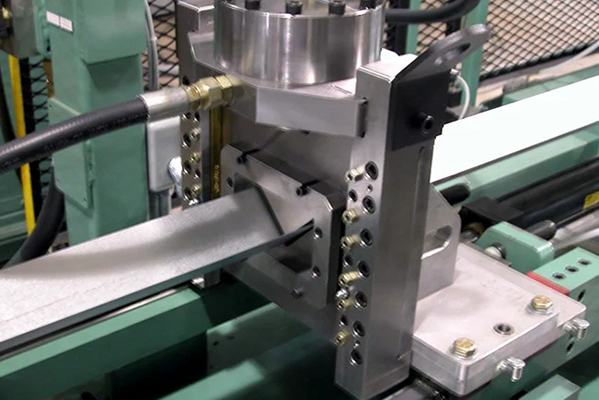
Newer steel framing machines can prefabricate components off-site, ensuring that each piece meets exact specifications before arriving at the job site. This controlled manufacturing environment leads to fewer defects and a more consistent final product. Additionally, innovations like self-jigging systems make on-site assembly quicker and easier, allowing workers to connect framing pieces with minimal effort while maintaining precision.
Enhanced Durability and Longevity
When steel frames are manufactured and assembled with high precision, the finished structure is less likely to develop issues over time. Properly aligned joints and correctly sized components reduce stress points that could lead to wear and tear. This means buildings stay sturdy for longer, requiring fewer repairs down the line.
Conclusion
Advances in steel framing equipment have made a noticeable difference in construction quality. From more accurate cutting tools to smarter alignment systems, these innovations help ensure that buildings are put together with greater care and consistency. Whether for large commercial projects or smaller residential builds, improved precision in steel framing leads to stronger, more reliable structures. As technology continues to evolve, we can expect even more refinements that will further enhance the way we build.